Pass the Trauma, Please
“Most Holocaust memoirs start in camps. This one begins in a Chinese restaurant.”— Todd Diamond
About This Episode
Todd Diamond is an advertising copywriter turned memoirist, born in Queens, New York, who delivers narratives that are unapologetically raw and darkly humorous — a reflection of the borough that raised him. His book, Pass the Trauma, Please, is a comedy-drama memoir that tells the story of his 95-year-old father David Diamond, a Holocaust survivor whose long-buried secrets started spilling out over Mongolian beef and double scotches at their regular Chinese restaurant dinners.
When his father's one editorial demand was "don't be afraid to slip in a few jokes" and "you're no Elie Wiesel," Todd took that as permission to write a Holocaust memoir that refuses to behave — one that uses humor as a Trojan horse to carry in the horrors. Mike and Todd talk about inherited trauma, Studio 54, Zionist justice in seventh-grade home ec class, the art of reverse circumcision, borrowing money from a Manhattan madam, and why the toughest client Todd ever had was his own father.
Key Takeaways
- The Chinese restaurant as confessional booth. Todd's 92-year-old father began dropping long-buried secrets about his Holocaust survival during their regular Chinese dinner outings. That booth became a Jewish confessional — and the origin of the book.
- Humor isn't a gimmick, it's inherited. Todd's father demanded the book not be "another Holocaust memoir" with long descriptions of ghetto smells. His survival mechanism was humor, and it became a non-negotiable editorial demand. A researcher from the Poland Museum in Warsaw told Todd this was the first time she'd ever interviewed someone who could talk about his most dramatic past and still make her laugh.
- The Holocaust memoir that refuses to behave. Todd approached the book as a branding and positioning exercise — treating it as a challenger brand in a crowded market of solemn testimony. The goal: reach readers who might otherwise feel Holocaust fatigue while never diminishing the history.
- Trauma is genetically inherited. Research from Mount Sinai shows trauma can be genetically passed to children of Holocaust survivors, altering biology and behavior. Todd recognized his own dissociation, addictions, hypervigilance, and anxiety in the findings — though he admits growing up in 1970s Queens probably contributed too.
- A father-son memoir told while the father is alive. The book evolved from just David's story into an intergenerational memoir — father and son, first and second generation — braided together. Todd describes it as "Vito and Michael Corleone, if they were Jewish."
- A life beyond the camps. David Diamond was arrested by the Gestapo at 12, smuggled medicines for his physician father, was a slave laborer on a German farm, and a teen soldier in Israel's War of Independence. He then came to America, borrowed $50,000 from a Manhattan madam to open a pharmacy next to her brothel, and sold more condoms than any other store in the country.
- A bar mitzvah 80 years late. At 92, David finally had his bar mitzvah — the rite of passage stolen by the Gestapo. He crushed his haftorah, surrounded by family and friends. For David, it was an act of defiance: "Hey, you Nazi bastards, I'm still here."
- Bypass agents, find your niche. Todd went straight to Fig Tree Books, a publisher specializing in the American Jewish experience, after agents quoted six-month timelines he couldn't afford with a father in his 90s. His advice to aspiring writers: look for niche publishers who align with your story.
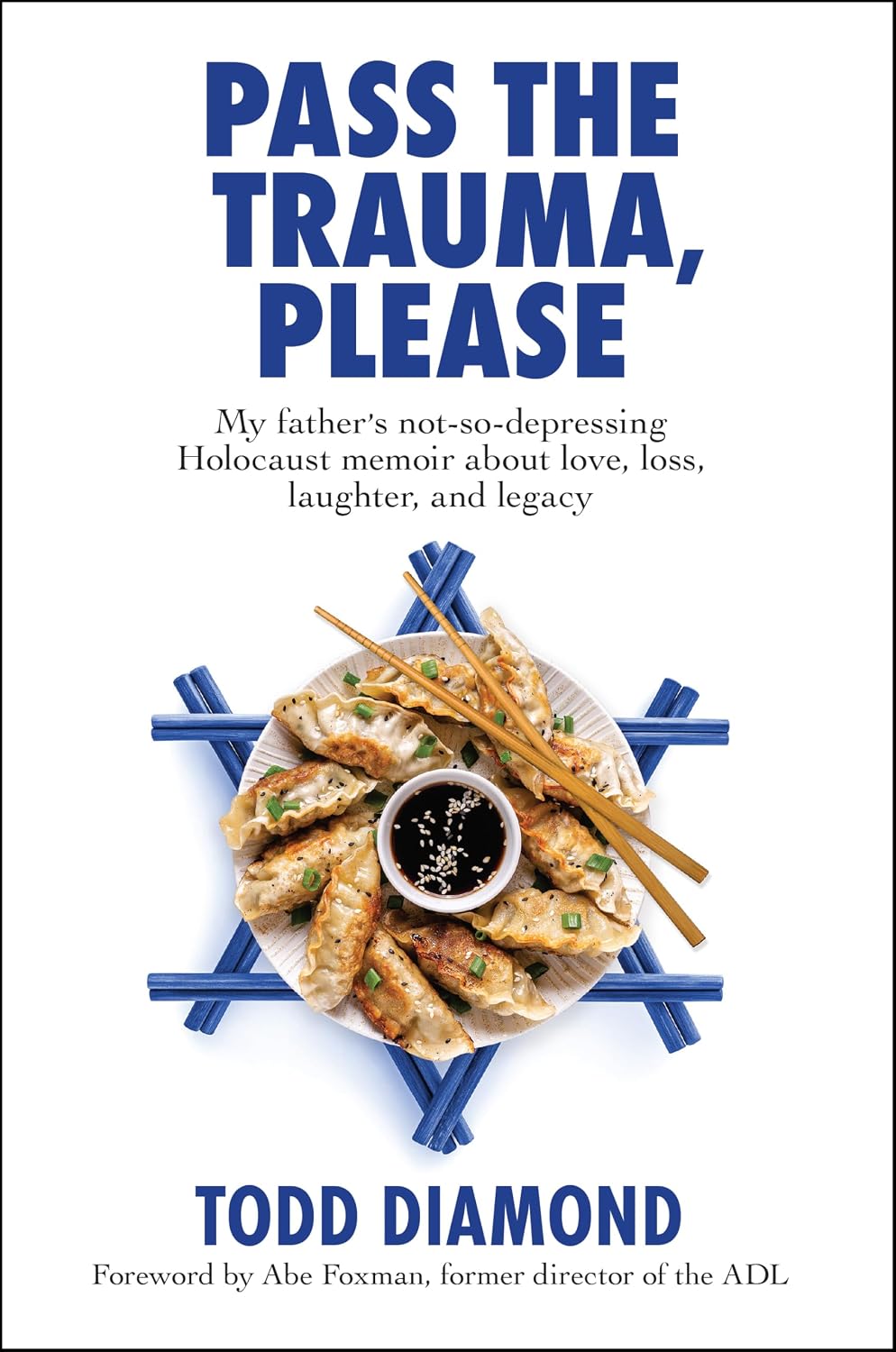
Pass the Trauma, Please
Connect with Todd
More conversations
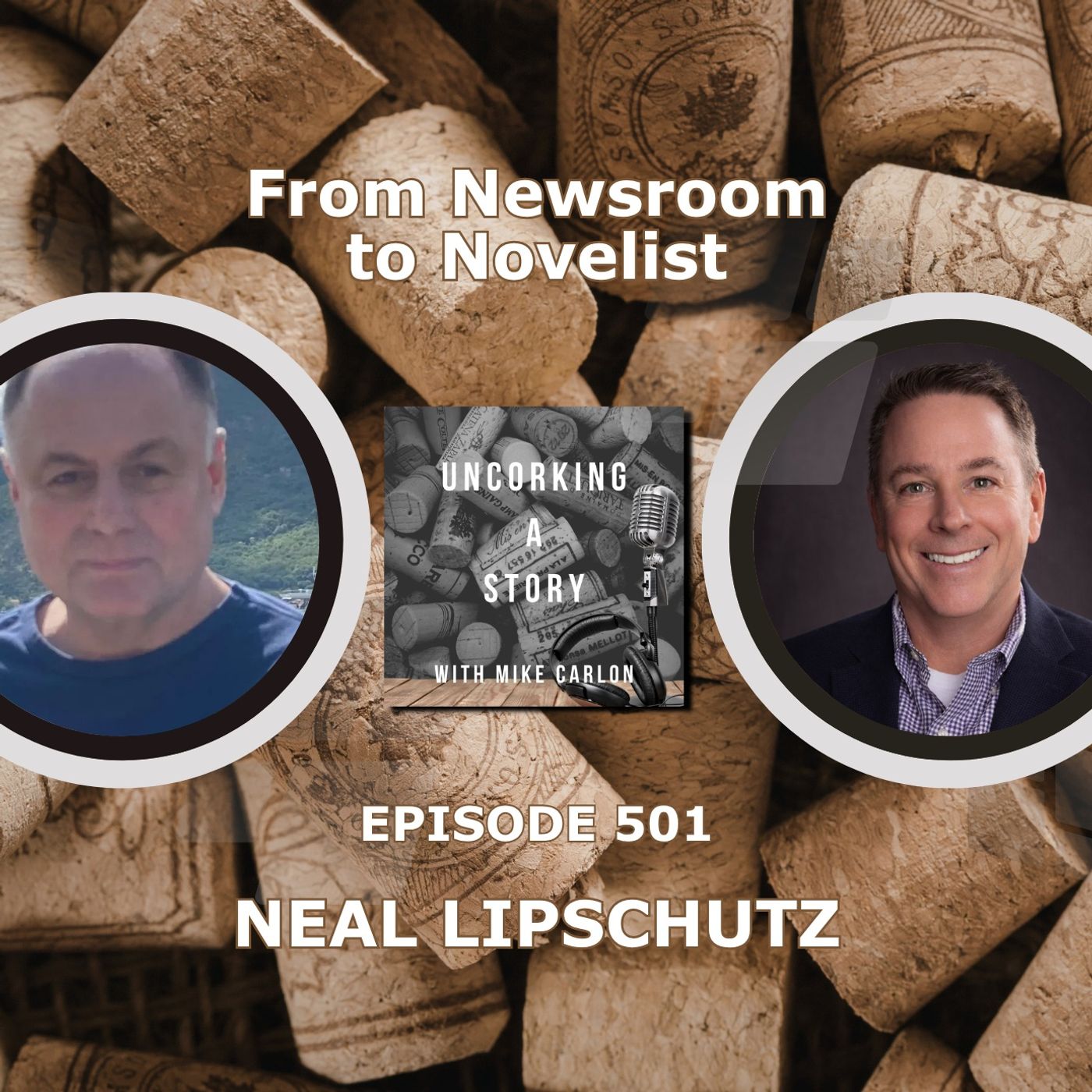
From Newsroom to Novelist
Former Wall Street Journal deputy editor-in-chief Neal Lipschutz on turning to fiction full-time after retirement, being edited after decades as an editor, and his new Scott Morgan suspense novel, Long Arm of the Past.
Listen →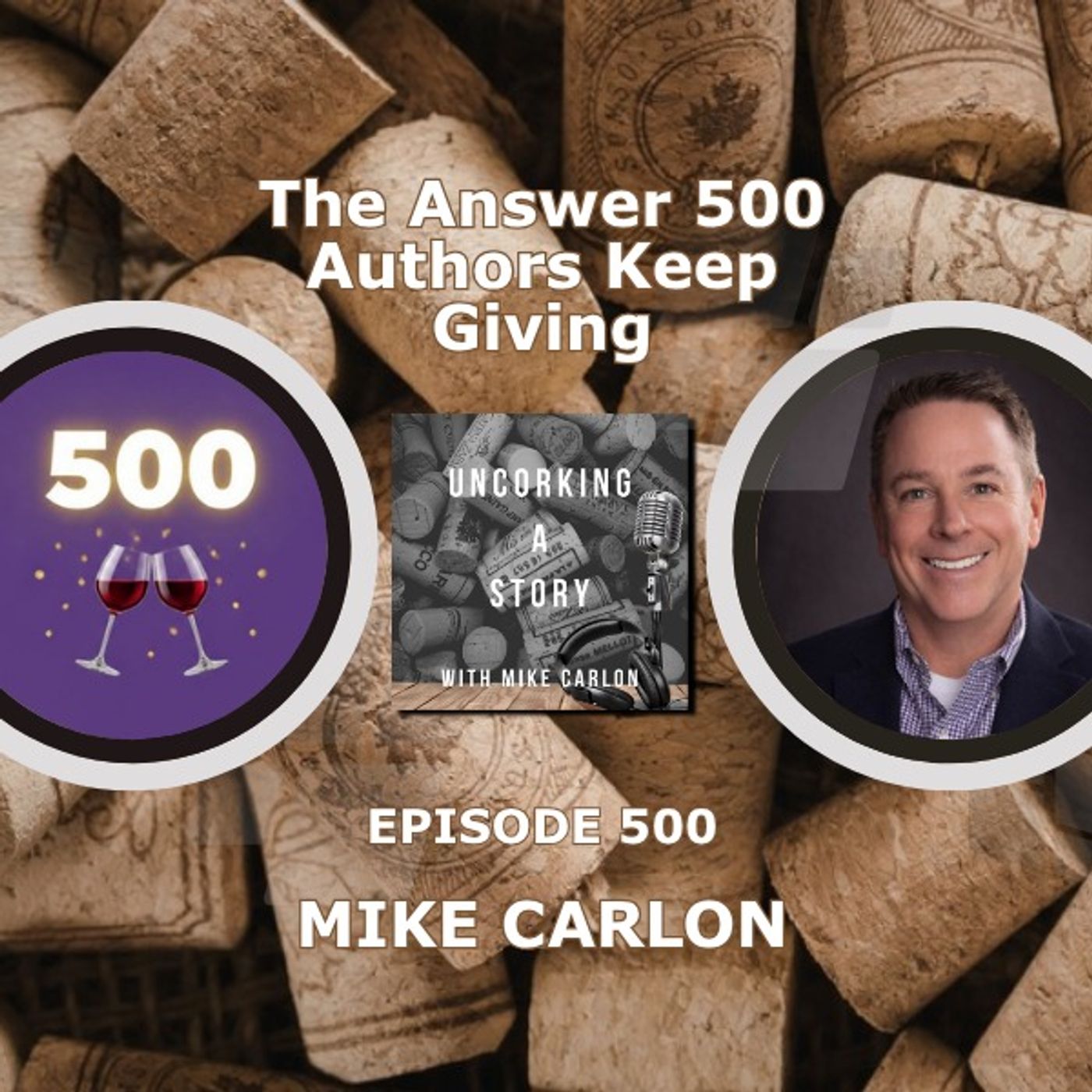
The Answer 500 Authors Keep Giving
For the 500th episode, Mike Carlon turns the mic on himself: where writing careers begin, why there are no overnight successes, grief, and the 3 a.m. download that became The Waiting Room.
Listen →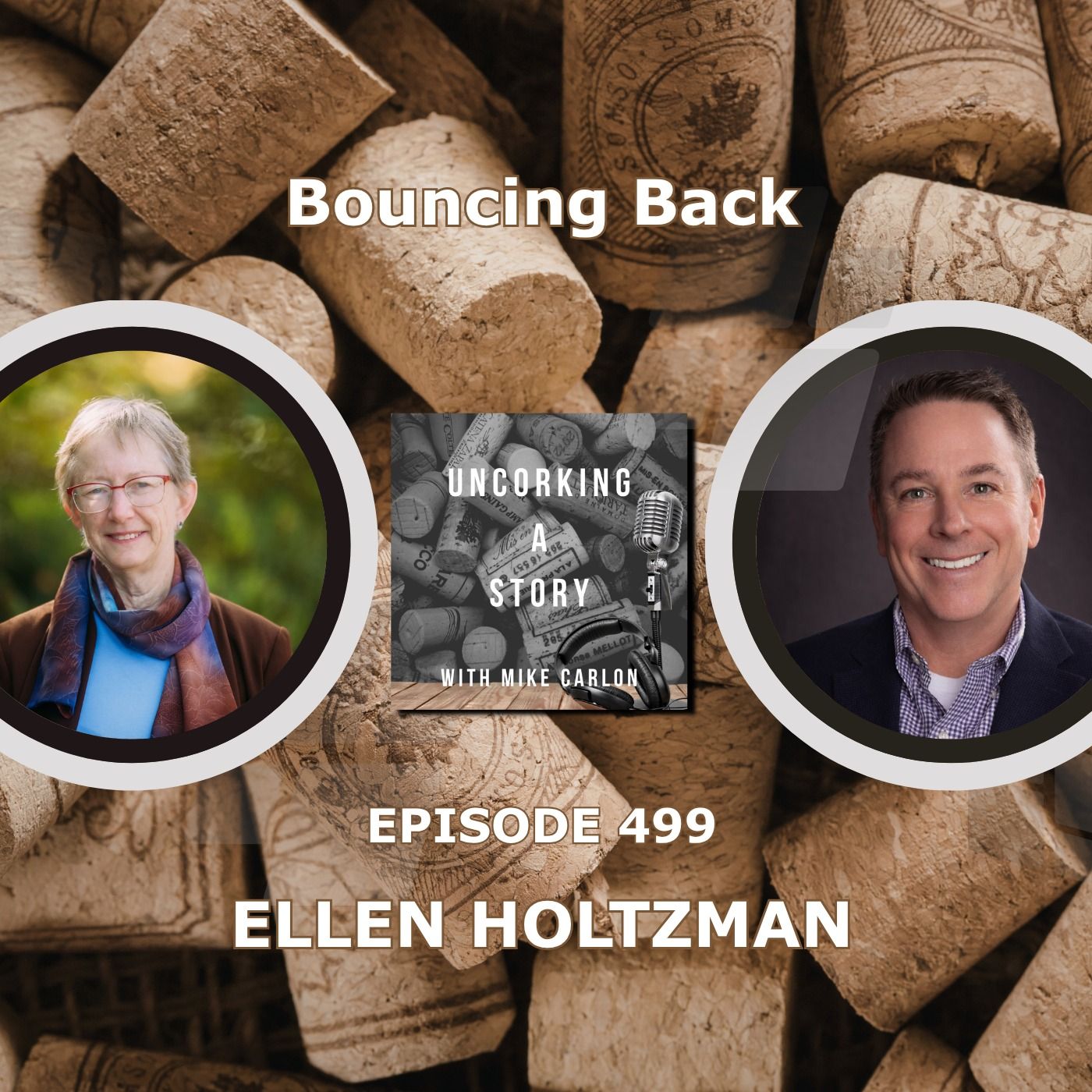
Bouncing Back
Ellen Holtzman on her award-winning debut Bouncing Back, teaching herself to write, why you can't tell the story while you're still in the wound, and how women lose and find themselves in marriage and divorce.
Listen →