Writing Your Way to Wholeness, with Natalie Gould
“Writing out your stories is healing, whether or not you publish it or not, or sharing them with people, because you get to see your story outside of yourself and see it in a new way.”— Natalie Gould
About This Episode
Natalie Gould grew up watching her family tell stories around her grandmother's extendable table. Years later, she bought a few acres in Sonoma County right next to the land where her mother grew up. She kept farm logs, wrote letters to friends, and jotted down stories with no plan to write a book. Then a case of COVID left her severely ill for three years, and writing became part of how she recovered. In this conversation, Natalie and Mike talk about how those scattered logs and letters became Enough Feathers to Fly, a "farmoir" told in a mosaic structure. They also discuss why expressive writing can heal even if no one ever reads it, the difference between writing from a wound and writing from a scar, and why she chose to publish independently. And they talk about Carlotta, the brave chicken who became the book's comic relief.
Key Takeaways
- You don't have to know you're writing a memoir to start one. Natalie kept farm logs and letters for years with no book in mind. When she sat down to write in 2024, she found she already had the bones of the story. They also held details she had long forgotten.
- A mosaic structure lets a first-time author build a book one piece at a time. Inspired by All Creatures Great and Small, Natalie wrote each story or theme on an index card and drafted chapters that could stand alone. Then she used letters and farm logs as connective tissue to create an overall arc.
- Private writing and publishable writing do different jobs. Her morning pages and free writing were for emotional processing, and she never rereads them. Her memoir, by contrast, is fully processed and shaped to carry a message to readers.
- Writing what you won't let yourself feel can release it. Natalie found she had buried emotions like anger, resentment, and envy. Writing them out, without embarrassment, let them move through her instead of staying stuck.
- Share an early draft to test the structure, not to polish it. Four friends read her raw first draft. Their response told her the unusual blend of letters, logs, and essays was working before she put in the work of more revisions, beta readers, and editors.
- Self-publishing is running a small business. Natalie's background as a CFO helped her assemble a team and manage the practical details. She chose the indie route to protect quality and get the book out in time to use in her coaching and retreats.
- Light moments make hard stories readable. The most difficult chapters cover two years of severe illness. Carlotta, her companion chicken, gave those chapters the levity that keeps readers turning pages.
Buy the Book
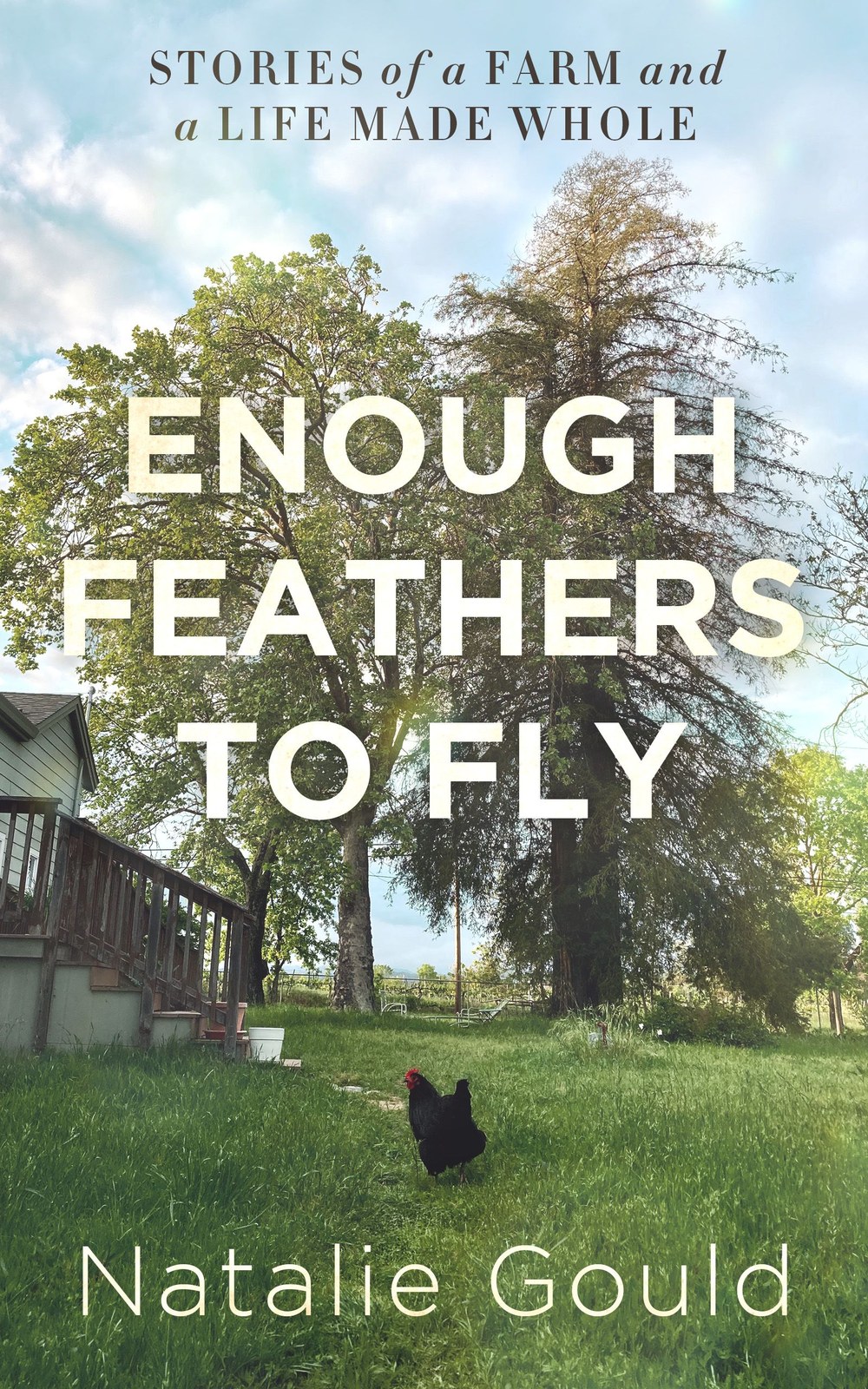
Enough Feathers to Fly: Stories of a Farm and a Life Made Whole
Support your local indie bookstore — if it's not on the shelf, ask them to order it.
Connect with Natalie
- Website: sparrowcrowfarm.com
- Substack: sparrowcrowfarm.substack.com
- Instagram: @sparrowcrowfarm
- YouTube: @sparrowcrow
- LinkedIn: Natalie Gould
More conversations
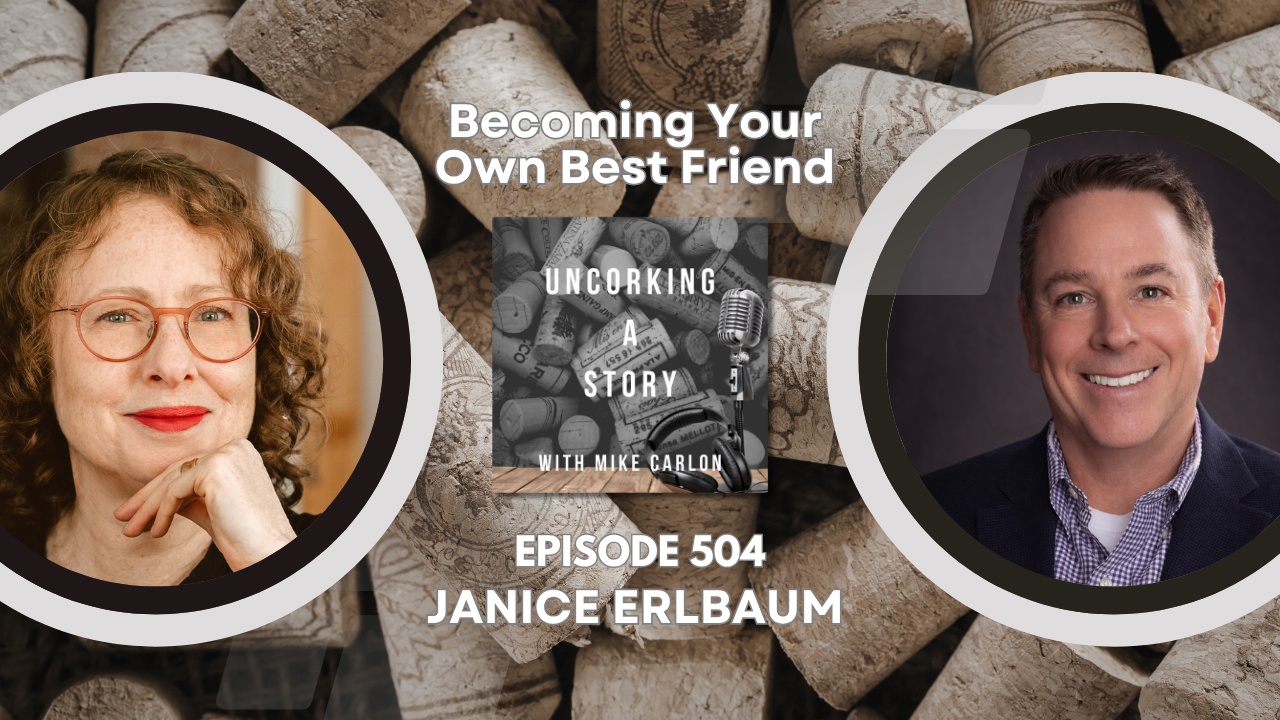
Becoming Your Own Best Friend
Janice Erlbaum left home at 15 for New York City's shelter system. Twenty years after Girlbomb, she talks about owning her part of the story, the teachers who saw her, and why she tells everyone to keep writing it down.
Listen →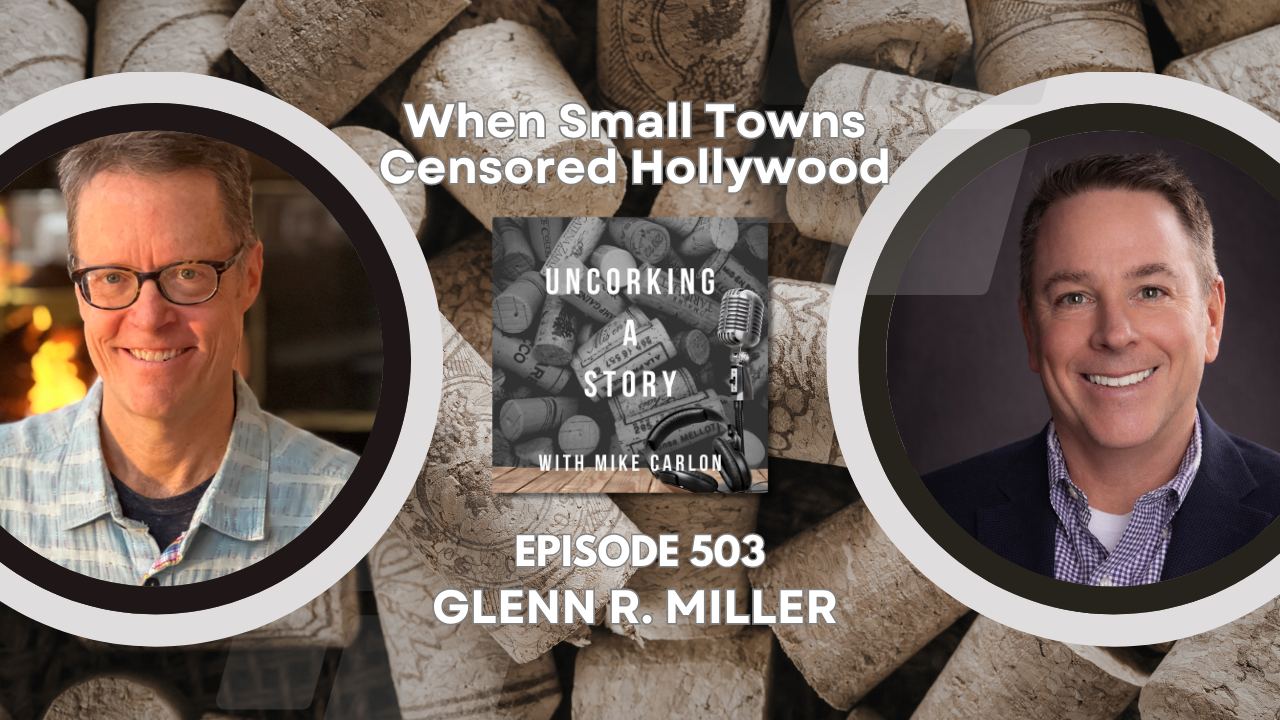
When Small Towns Censored Hollywood
Novelist Glenn R. Miller on the small-town ministers who once censored Hollywood's silent films, the family note cards that inspired his satire Rough Cuts, and why censorship is never black and white.
Listen →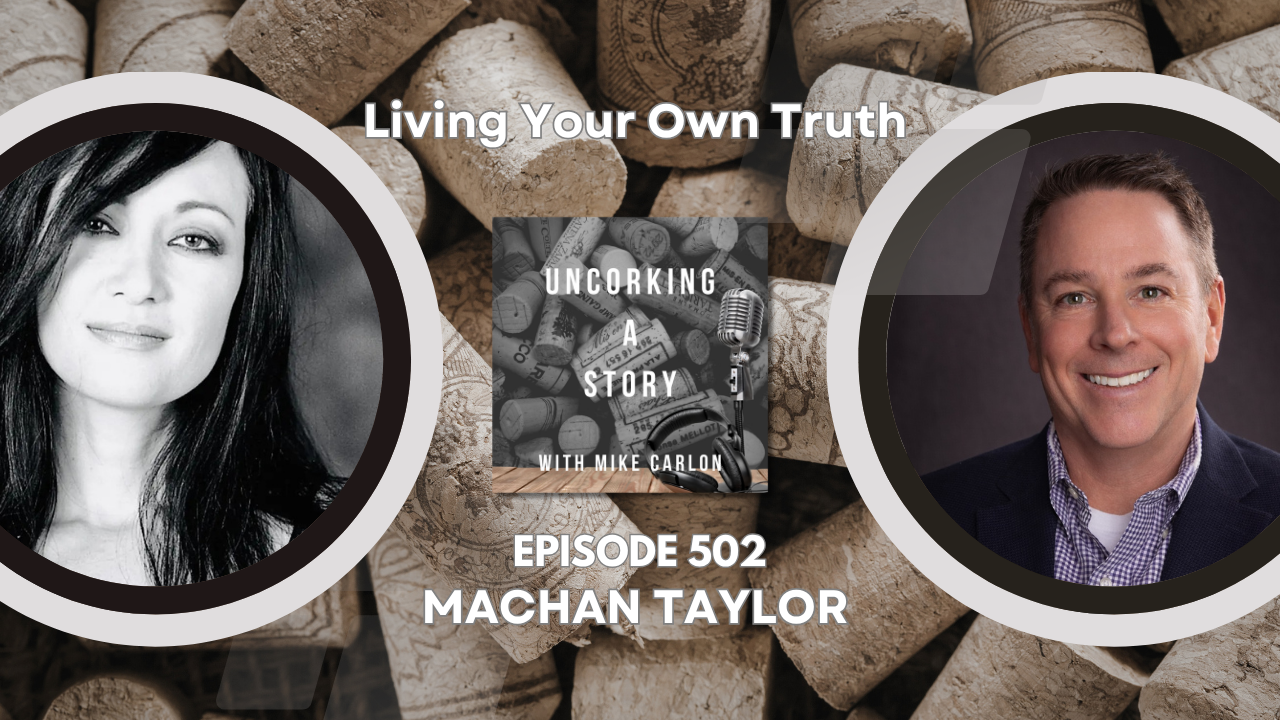
Living Your Own Truth
Singer Machan Taylor, who toured with Pink Floyd and Sting, on the loneliness behind a glamorous life on the road, writing a memoir she never meant to write, and why holding the finished book finally let her let go.
Listen →