What’s wrong with being a little weird? I am fortunate in my career to meet new people every week through the work that I do and let me tell you, I definitely get a chance to see a good cross-section of humanity. Who do I remember the most? The ones who are, shall I say, a little off kilter. Who experience the world just a little bit (and sometimes a lot) differently than those in the center of the normal curve of distribution. To answer my own question, there’s nothing wrong with being a little weird; in fact, we should celebrate weirdness. I know that my guest today, Eric G. Wilson agrees with me. After all, he wrote a book on how to be weird!
Meet Eric Wilson
Eric is the Thomas H. Pritchard Professor of English at Wake Forest University, where he teaches creative writing and British Romantic poetry. He is author of Against Happiness, Everyone Loves a Good Train Wreck, and Dream-Child: A life of Charles Lamb. He recently joined me on Uncorking a Story to talk about his career and latest book, How to Be Weird: An Off-Kilter Guide to Living a One-of-a-Kind Life.
How advice from a therapist encouraged Eric to change his goals as a parent. How Bill Murray changed his life. How he was able to pivot from academic writing to more creative writing. Why it’s important to let our inner weirdness out. Exercises for enhancing our creativity.
More conversations
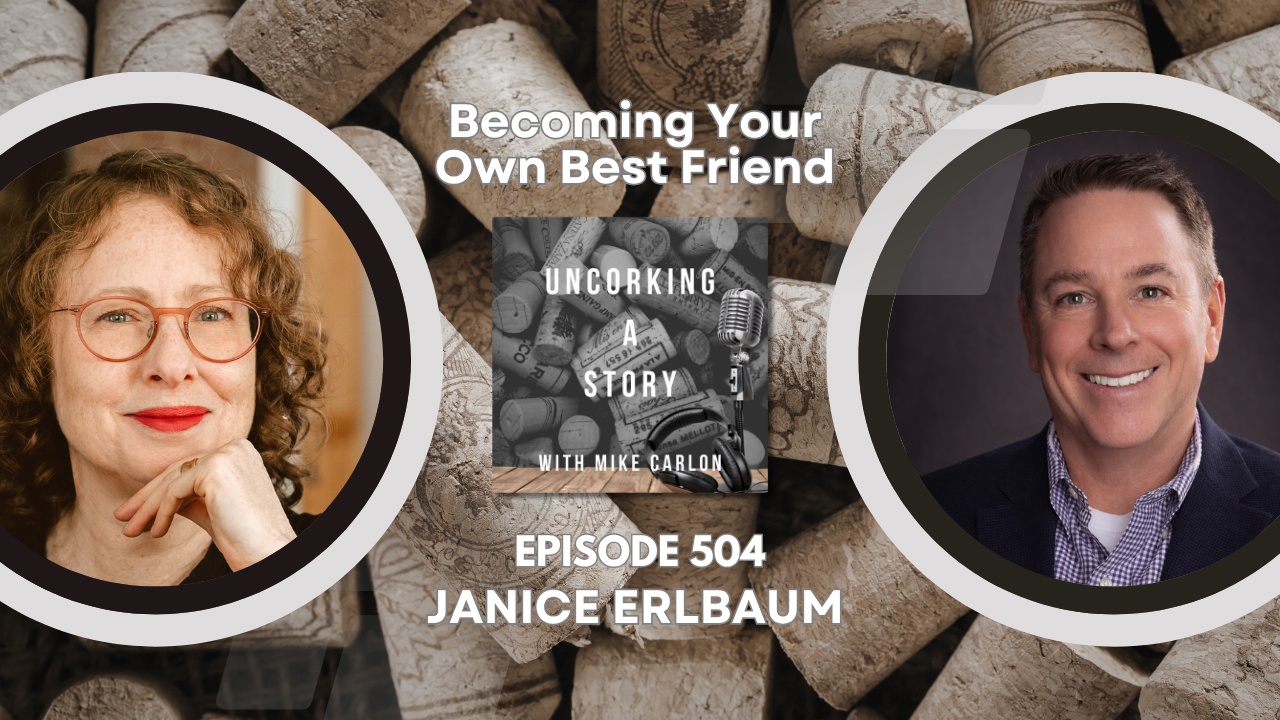
Becoming Your Own Best Friend
Janice Erlbaum left home at 15 for New York City's shelter system. Twenty years after Girlbomb, she talks about owning her part of the story, the teachers who saw her, and why she tells everyone to keep writing it down.
Listen →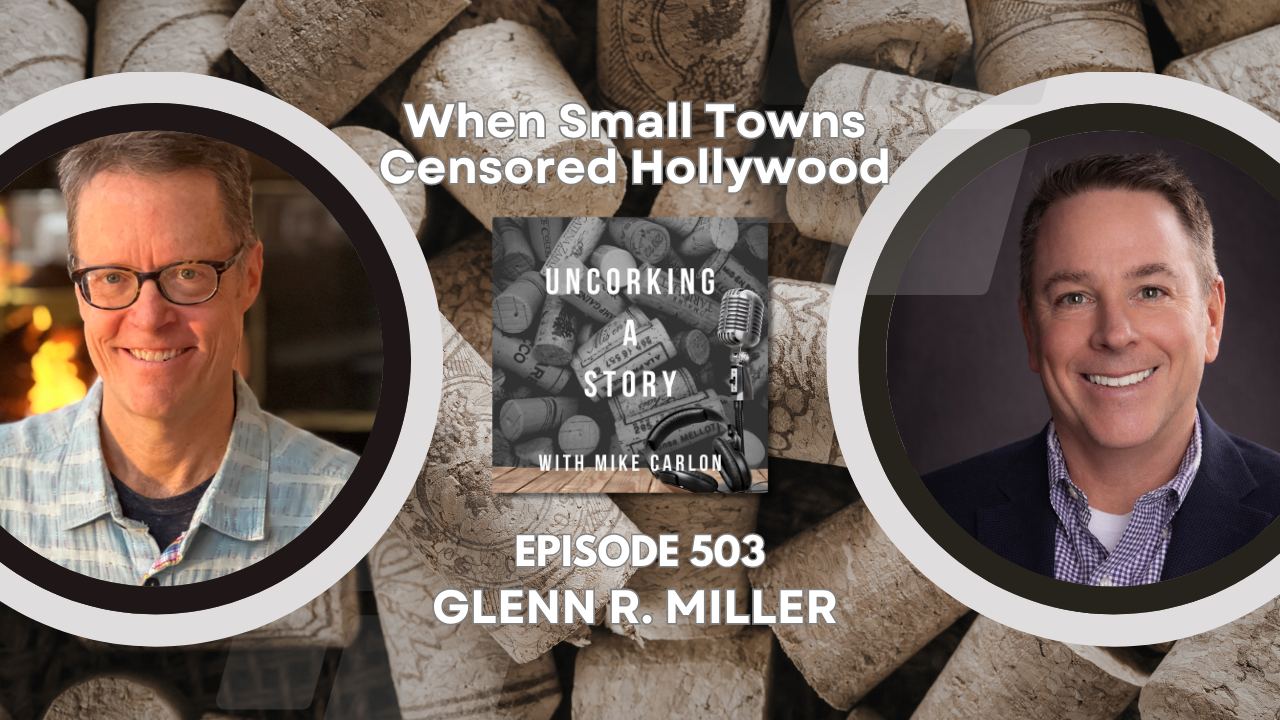
When Small Towns Censored Hollywood
Novelist Glenn R. Miller on the small-town ministers who once censored Hollywood's silent films, the family note cards that inspired his satire Rough Cuts, and why censorship is never black and white.
Listen →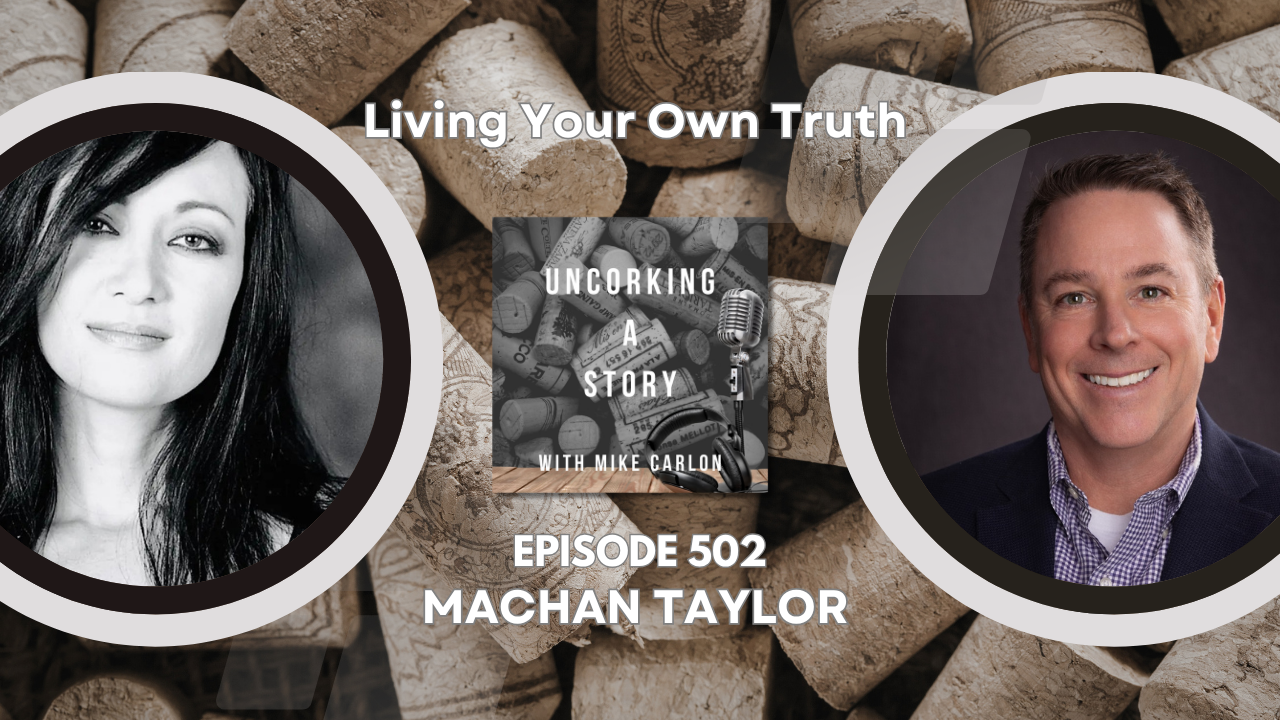
Living Your Own Truth
Singer Machan Taylor, who toured with Pink Floyd and Sting, on the loneliness behind a glamorous life on the road, writing a memoir she never meant to write, and why holding the finished book finally let her let go.
Listen →