Some Stories Carry You
“I'm about five years old and I'm so tired. I say, Abba, which is what I call my father, can you carry me? I'm so tired. And I remember him saying, Deanch, I can't carry you, but I'll carry you with my stories.”— Dena Schusterman
About This Episode
Dena Schusterman was about five years old, walking a mile and a half to synagogue on Shabbat, too tired to go another step. She asked her father to carry her. He told her he couldn't — but he'd carry her with his stories, and by the time he finished she was at the synagogue door with no memory of the walk. Forty years later, sitting in a room with two thousand women while someone told one of her father's stories without using his name, she decided those stories needed to be reclaimed.
What started as a plan to write her father's memoir became something else entirely, because you cannot write someone else's life. In this conversation, Dena and Mike talk about the oral tradition both of them grew up inside, what happens when a writer traces a coping mechanism back four generations and finds it still running in her own kitchen, why rejection never derailed her, and what it costs to look at the people who came before you with compassion instead of judgment.
Key Takeaways
- You cannot write somebody else's memoir. Dena set out to write her father's story and discovered fairly quickly that the form wouldn't allow it — a memoir has to be told from inside a life, and the only life she could write from inside of was her own. The book that resulted still holds her father's stories, but the person carrying them is her.
- Writing a memoir will crack you open, and you should expect that. Her husband warned her before she started that it would take her places she hadn't gone. She waved him off. It took her places she hadn't gone. Knowing the punchline of a family story turned out to be very different from asking her parents how they felt about what happened.
- Inherited coping mechanisms don't announce themselves. Dena's grandmother survived the Holocaust in part by trading food for slivers of soap to stay clean. Two generations later, Dena found herself raging at her kids about a messy house and realized she was running a script she'd never consciously received: a clean house is how you stay alive. Naming it was what let her stop.
- Bringing something into the light makes it smaller, not bigger. The energy spent keeping a difficult thing stuffed down is what generates the anxiety around it. Put it on the page and it turns out to be survivable — and, in Dena's experience, one sentence on paper pulls the next one out behind it.
- Start at the end and rewind. Dena's process is to know the ending first and then work backwards asking how she got there. The ending, she points out, is rarely the interesting part. The route is.
- A "smooth path" to publication can still include every rejection. She never found an agent. She got the rejections. She was ready to pay a hybrid publisher until a lawyer told her not to sign, which sent her to Mercer University Press — where her editor had been telling her to go for eight years. She kept a reminder in her pocket that The Queen's Gambit was rejected for thirty-two years, and treated every no as proof she was closer to a yes.
- Compassion for the people who came before you is out of fashion, and worth doing anyway. Dena's read on the moment is that we've gotten very good at being kind to ourselves and very quick to judge our parents and grandparents. Her hope for readers is that they look at their own inherited stories the way she learned to look at hers — not to excuse anything, but because every family story eventually becomes a choice about how you show up.
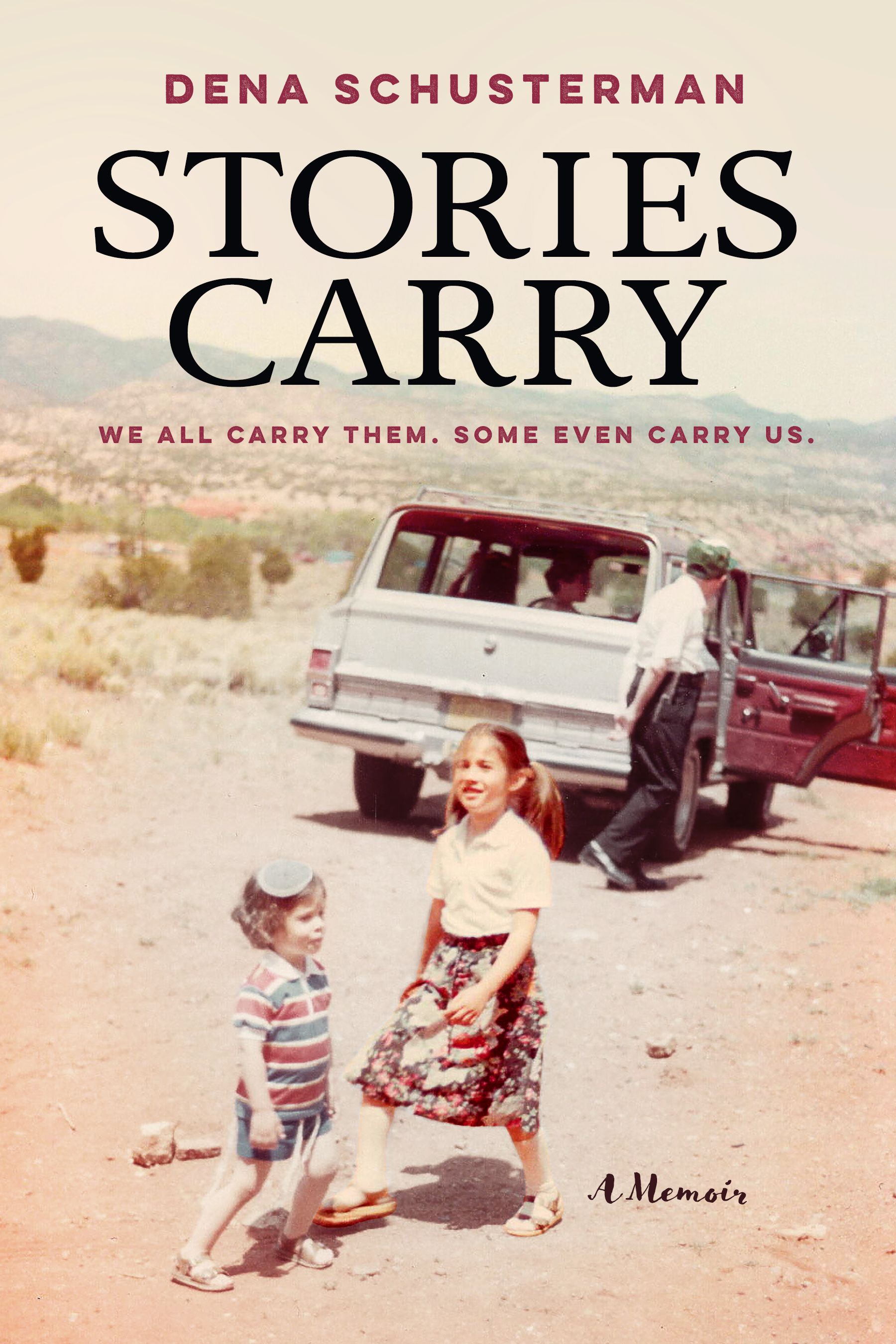
Stories Carry: We All Carry Them. Some Even Carry Us
A memoir about the stories we inherit — and the ones that carry us. Dena Schusterman reclaims four generations of family history, from a father's Shabbat-morning tales to a grandmother's Holocaust survival, and asks what it costs to look at the people who came before us with compassion. Published by Mercer University Press.
Connect with Dena
More conversations
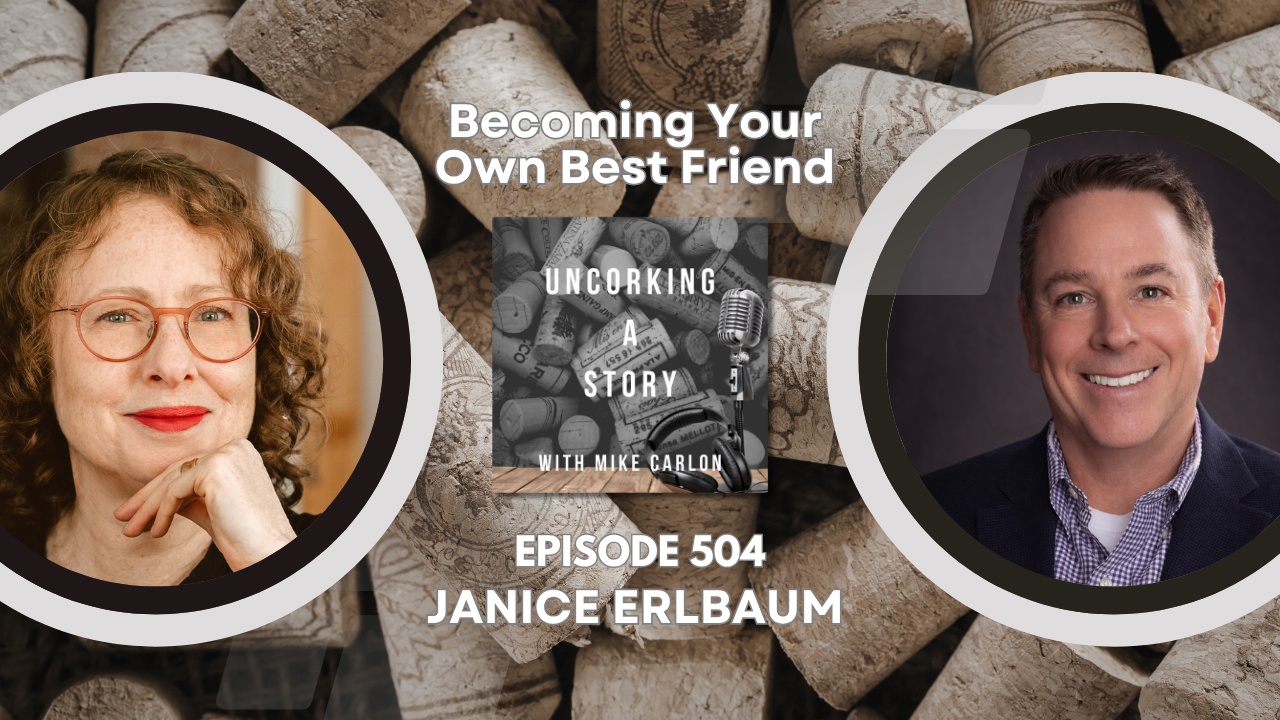
Becoming Your Own Best Friend
Janice Erlbaum left home at 15 for New York City's shelter system. Twenty years after Girlbomb, she talks about owning her part of the story, the teachers who saw her, and why she tells everyone to keep writing it down.
Listen →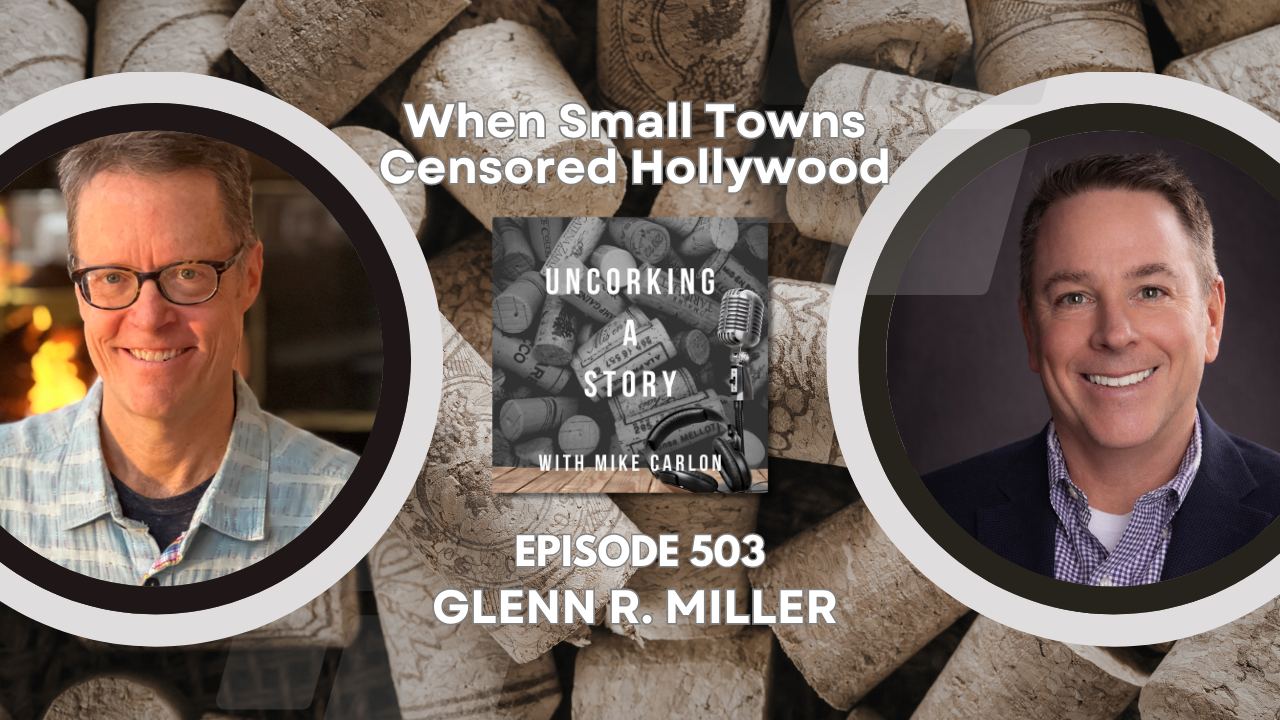
When Small Towns Censored Hollywood
Novelist Glenn R. Miller on the small-town ministers who once censored Hollywood's silent films, the family note cards that inspired his satire Rough Cuts, and why censorship is never black and white.
Listen →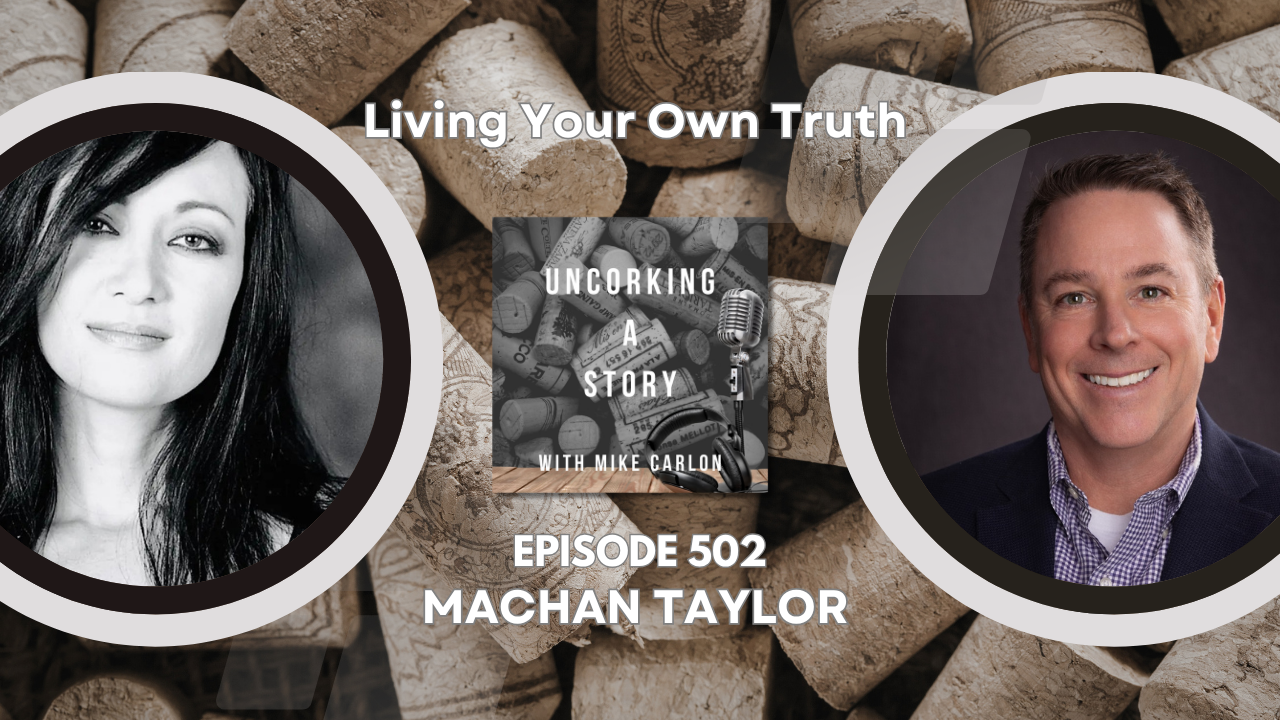
Living Your Own Truth
Singer Machan Taylor, who toured with Pink Floyd and Sting, on the loneliness behind a glamorous life on the road, writing a memoir she never meant to write, and why holding the finished book finally let her let go.
Listen →