I was once eating dinner alone at a bar in Petaluma, CA when a fellow solo diner started a conversation by saying, “I’m no conspiracy theorist but…” and what came out of his mouth would make Dan Brown raise an eyebrow. When I was offered the chance to speak with Colin Dickey, who recently wrote a book on the history of conspiracy theories, I jumped at the chance.
Meet Colin Dickey
Colin is a writer, speaker, and academic, who has made a career out of collecting unusual objects and hidden histories all over the country. He’s the author of multiple books, including Ghostland: An American History in Haunted Places and The Unidentified: Mythical Monsters, Alien Encounters, and Our Obsession with the Unexplained. He Joined me on Uncorking a Story to talk about his latest book, Under the Eye of Power: How Fear of Secret Societies Shapes American Democracy.
The historical roots and implications of conspiracy theories: Colin delves into the origins of conspiracy theories, exploring how they have been used to suppress social change and perpetuate anti-Semitism. The persistent influence of conspiracy theories and social media: Colin discusses how social media platforms and algorithms have contributed to the spread and popularity of conspiracy theories, emphasizing that they are not going away anytime soon. The emotional appeal and function of conspiracy theories: Colin explores the psychological aspects of conspiracy theories, highlighting their ability to provide reassurance and make sense of a chaotic world. Skepticism towards UFO coverage on TV channels: Colin expresses his skepticism towards the way UFO encounters are portrayed in television specials, encouraging listeners to critically analyze the information presented. Addressing conspiracy theories on an interpersonal level: Colin suggests that combating conspiracy theories requires understanding the underlying motivations and addressing them individually, rather than solely relying on media platforms to solve the issue.
More conversations
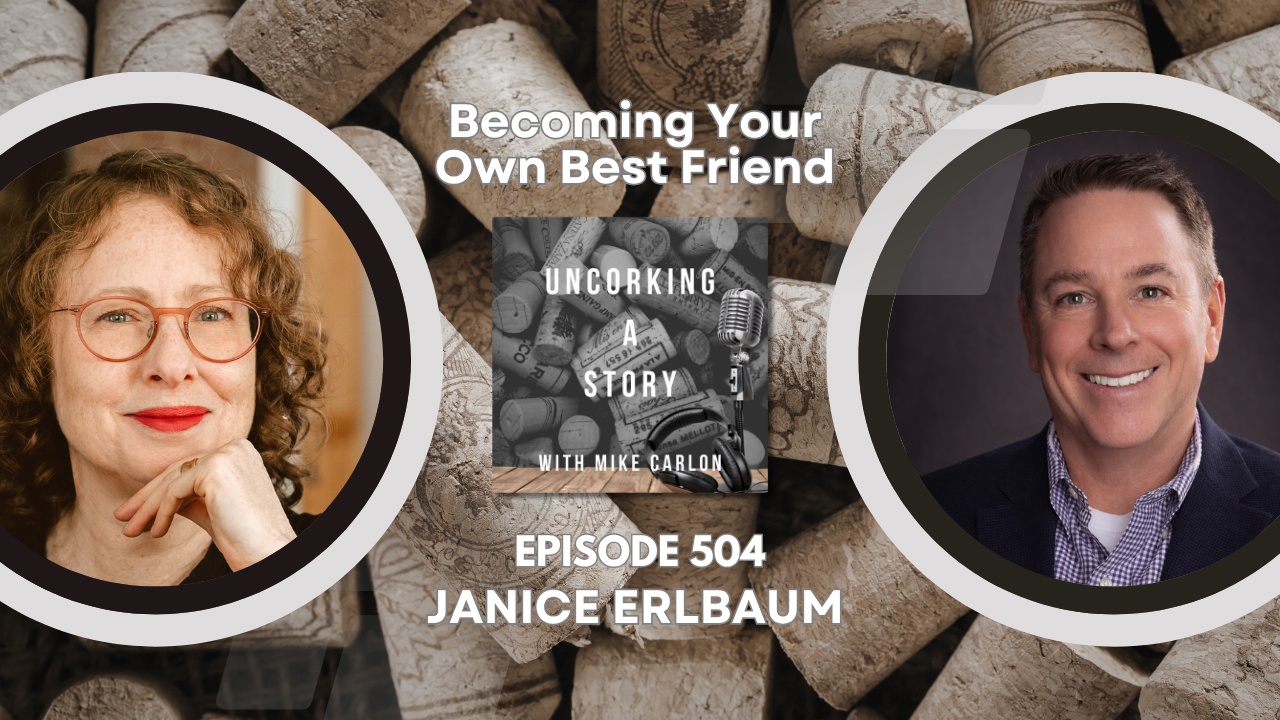
Becoming Your Own Best Friend
Janice Erlbaum left home at 15 for New York City's shelter system. Twenty years after Girlbomb, she talks about owning her part of the story, the teachers who saw her, and why she tells everyone to keep writing it down.
Listen →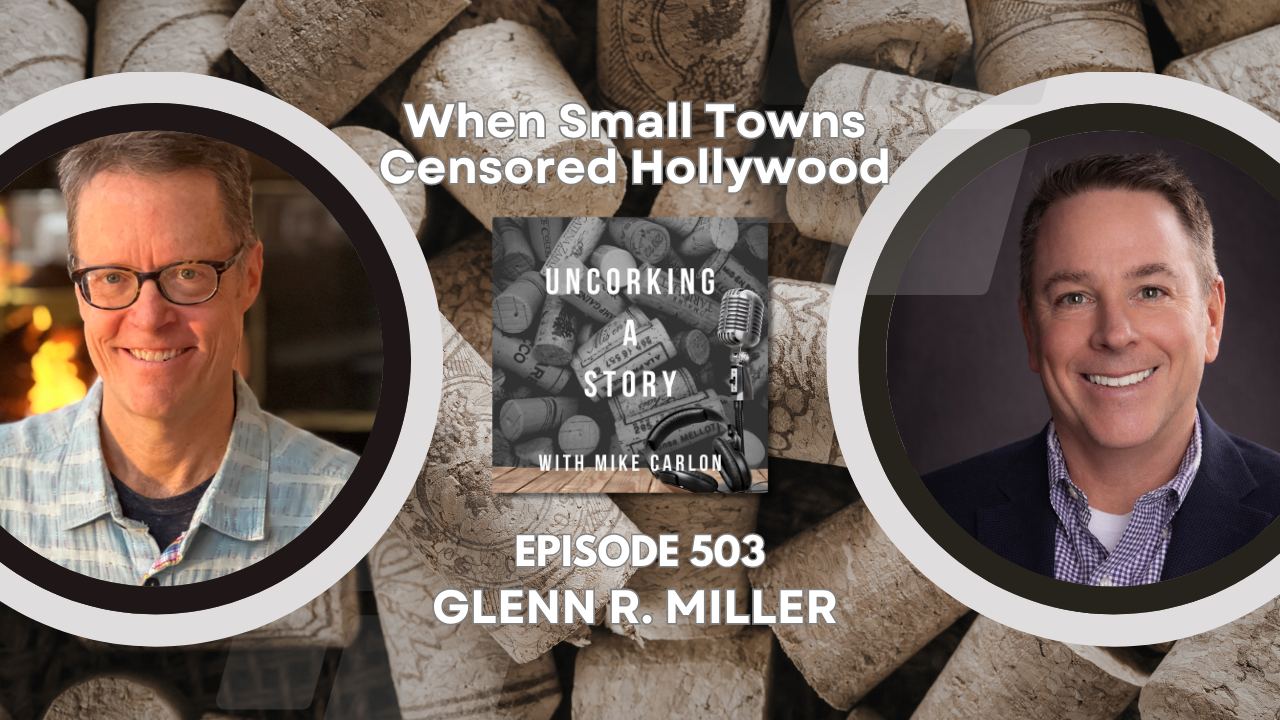
When Small Towns Censored Hollywood
Novelist Glenn R. Miller on the small-town ministers who once censored Hollywood's silent films, the family note cards that inspired his satire Rough Cuts, and why censorship is never black and white.
Listen →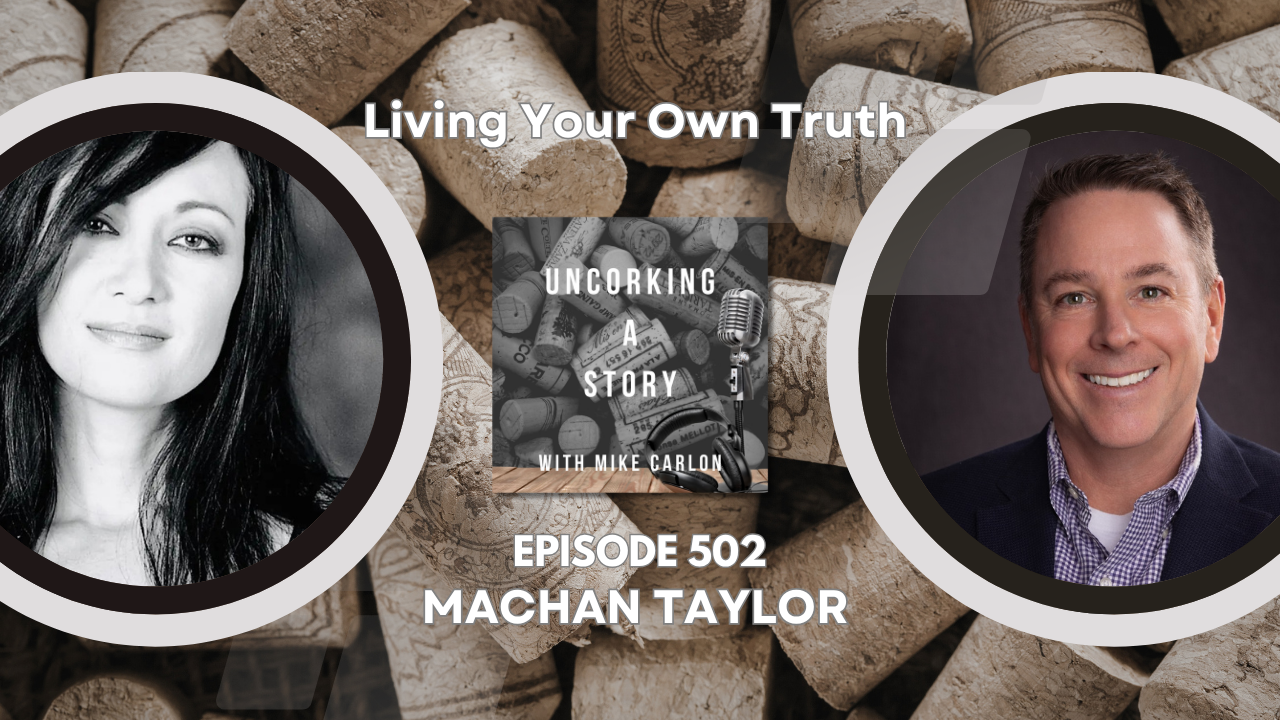
Living Your Own Truth
Singer Machan Taylor, who toured with Pink Floyd and Sting, on the loneliness behind a glamorous life on the road, writing a memoir she never meant to write, and why holding the finished book finally let her let go.
Listen →