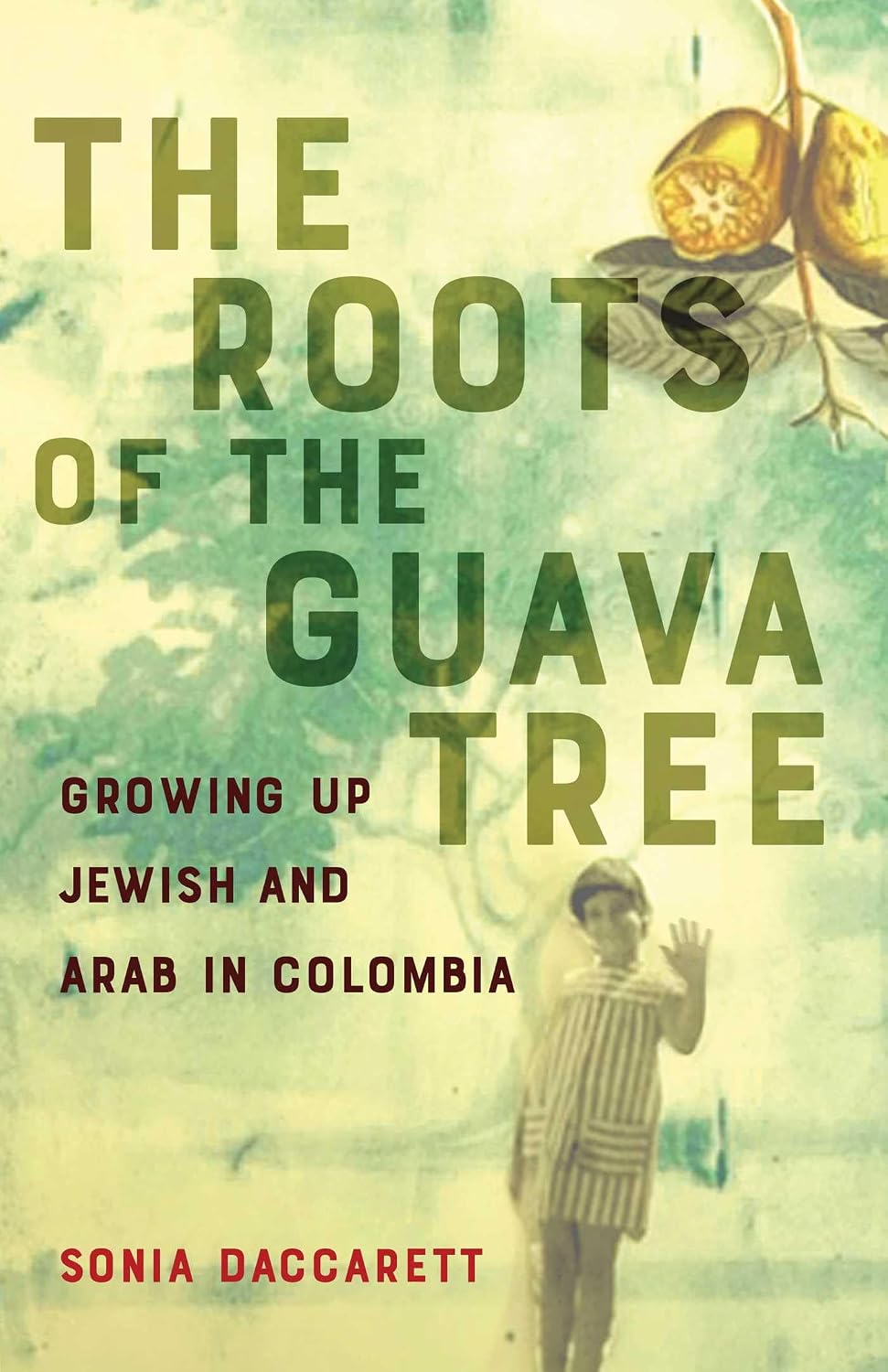
The Roots of the Guava Tree
“Even though we're so diverse, we're all the same. We're all longing for the same thing — to belong, have a purpose in life, to understand why we are here on this planet.”— Sonia Daccarett
About This Episode
Sonia Daccarett is a writer and communications professional born in Colombia to a Christian Palestinian father and a Jewish mother. She holds an undergraduate degree in journalism from the University of Massachusetts Amherst and a master's in international and public affairs from Columbia University. For more than two decades she worked on strategic communications for corporate and nonprofit clients.
Her debut memoir, The Roots of the Guava Tree: Growing Up Jewish and Arab in Colombia, explores identity, belonging, and coming of age against the backdrop of 1980s Colombia. Mike and Sonia discuss how a casual memoir-writing class turned into a book, the challenge of writing childhood scenes in the voice of a child, navigating a multicultural identity in a homogenous society, and why she wanted to offer a first-person account of what ordinary Colombians endured during the country's violent 1980s.
Key Takeaways
- A book that wasn't meant to be a book. Sonia enrolled in a memoir-writing class during a quieter chapter of her life, fell in love with the genre, and accumulated pages before realizing the recurring themes — identity, diaspora, family — could form a cohesive narrative.
- Retraining the writing brain. After two decades of press releases and corporate communications, Sonia had to relearn scene, dialogue, and narrative writing — breaking free of the "five W's, tell it all on one page" mindset.
- Writing in the child's voice was the breakthrough. The manuscript initially felt flat when told entirely from her mid-50s perspective. Switching to first person as a four-, six-, or fifteen-year-old brought the memories alive — though it meant extensive rewriting.
- Rediscovering parents as complex people. One of the book's biggest gifts was moving beyond the unidimensional way children see adults and understanding her parents and grandparents as people navigating their own immigrant struggles.
- A utopian experiment in identity. Her parents deliberately raised their children without religious labels or ethnic identifiers — a noble dream that left Sonia feeling identity-less in a society that expected you to know who you were.
- A hidden diaspora. Most people don't know that a large Christian Arab population emigrated from the Ottoman Empire to Colombia in the 1910s, or that Jewish communities thrived in Latin America. Sonia wanted to broaden mainstream narratives about where Jews and Arabs live.
- Colombia's 1980s through ordinary eyes. Beyond the Netflix portrayals of Pablo Escobar, the book offers a first-person account of what civil war between government, guerrillas, and cartels felt like for everyday families — the kidnappings, the fear, the impossible choices.
The Roots of the Guava Tree
Connect with Sonia
More conversations
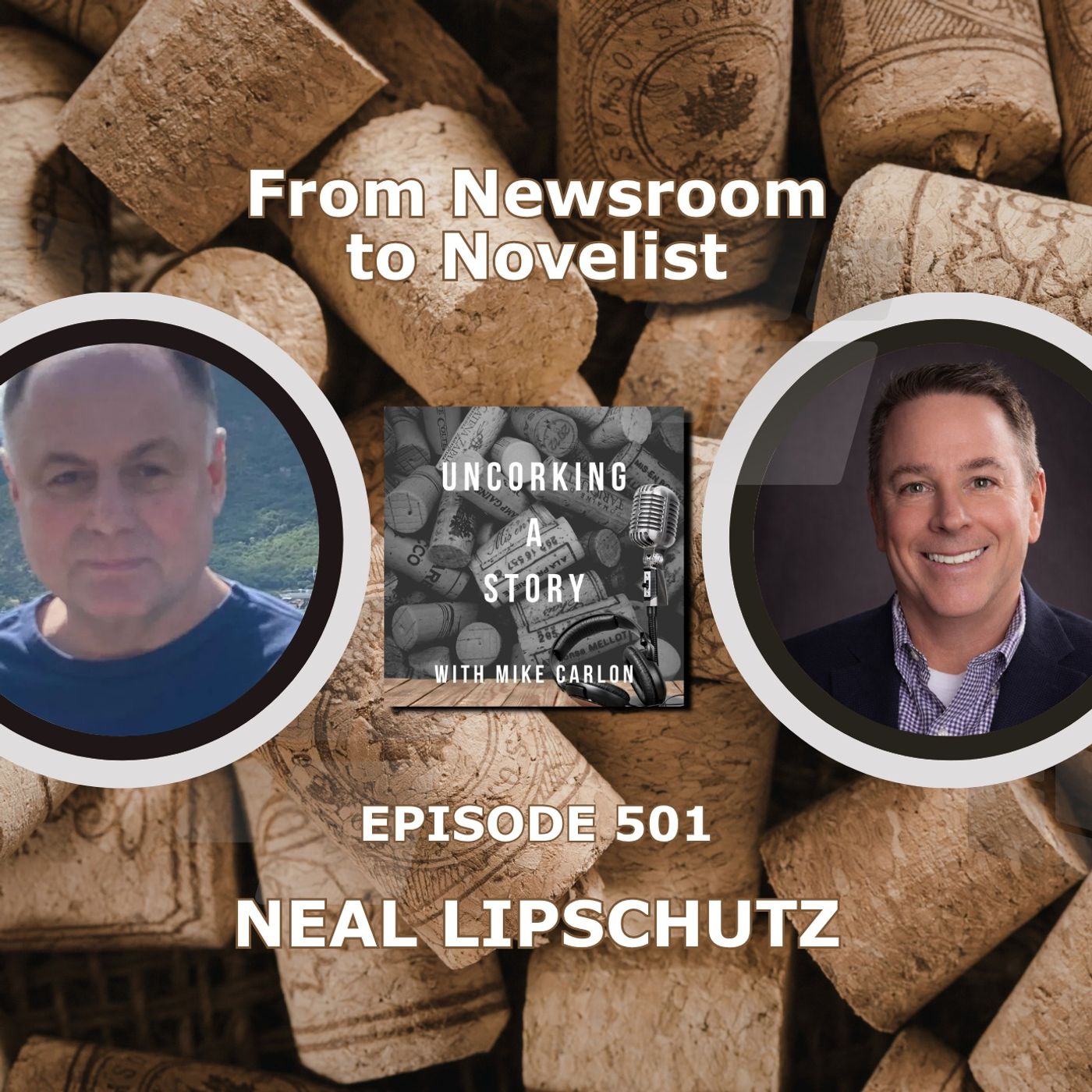
From Newsroom to Novelist
Former Wall Street Journal deputy editor-in-chief Neal Lipschutz on turning to fiction full-time after retirement, being edited after decades as an editor, and his new Scott Morgan suspense novel, Long Arm of the Past.
Listen →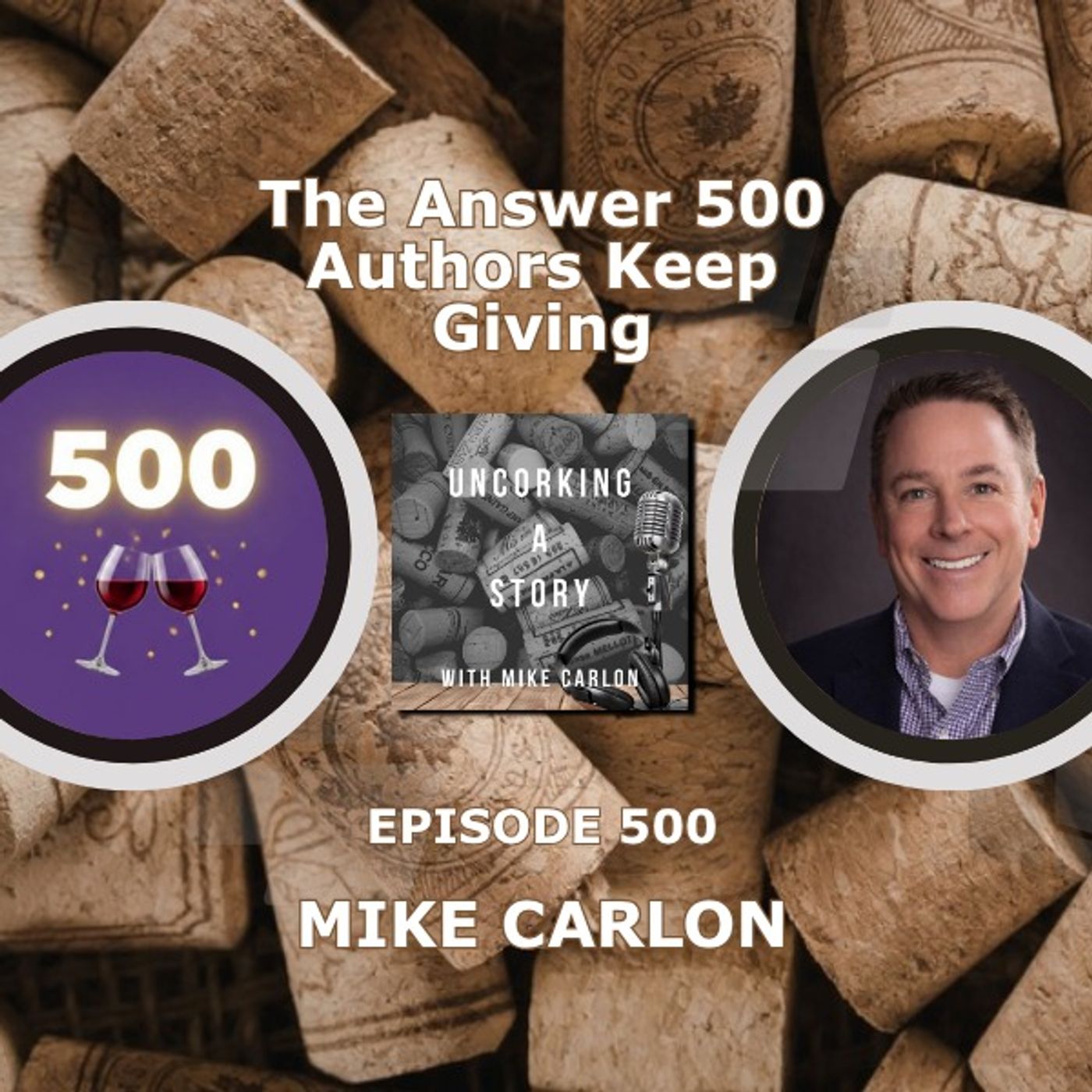
The Answer 500 Authors Keep Giving
For the 500th episode, Mike Carlon turns the mic on himself: where writing careers begin, why there are no overnight successes, grief, and the 3 a.m. download that became The Waiting Room.
Listen →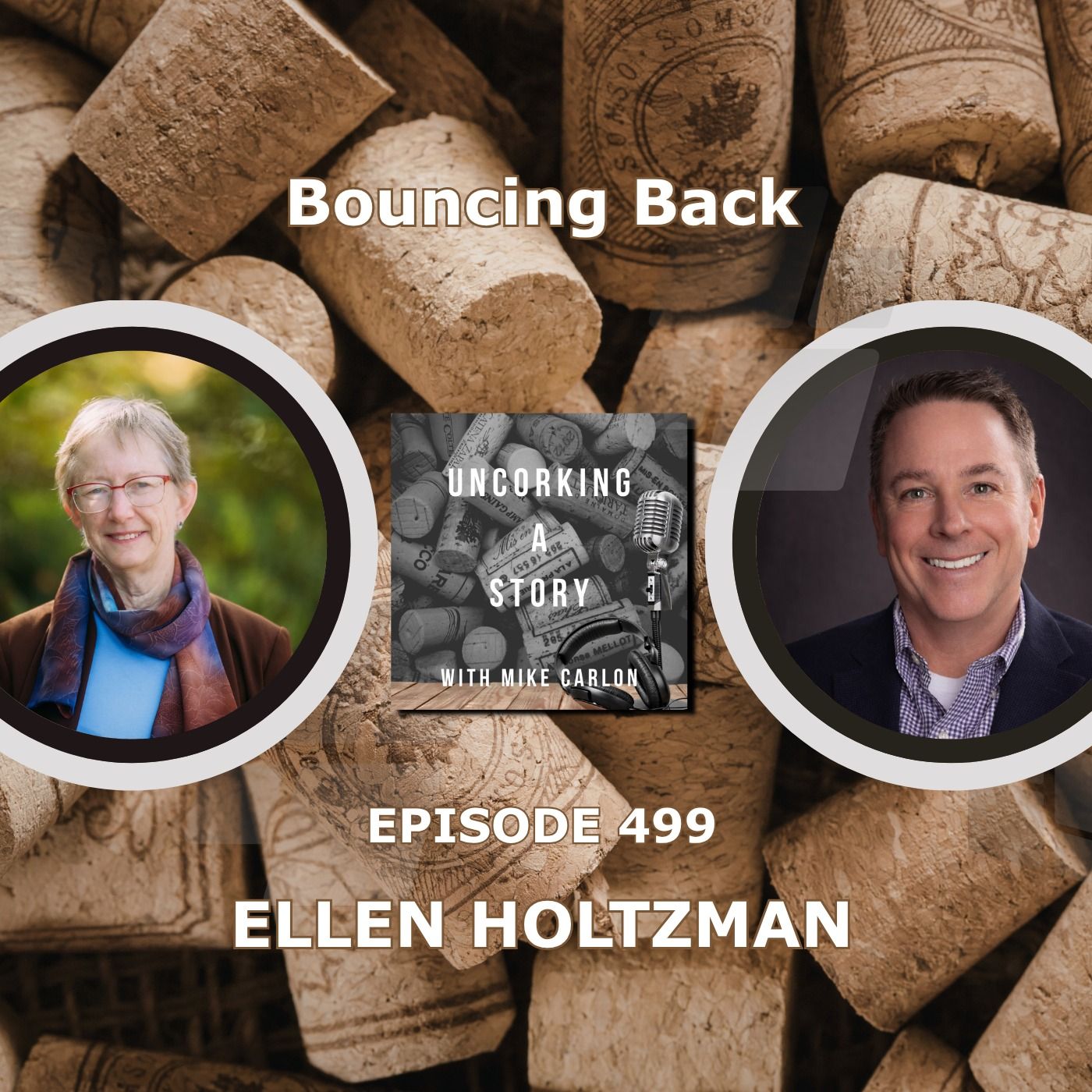
Bouncing Back
Ellen Holtzman on her award-winning debut Bouncing Back, teaching herself to write, why you can't tell the story while you're still in the wound, and how women lose and find themselves in marriage and divorce.
Listen →