In the Blood
“I wrote a book and tried to find an agent and did not succeed. I wrote a second book that got an agent and no sales. I wrote a third book — it didn't even get nice rejection letters. I wrote a fourth book and it sold in three days.”— April Henry
About This Episode
April Henry is the New York Times bestselling author of over thirty mysteries and thrillers, including Girl Stolen and Two Truths and a Lie. Her latest, In the Blood, follows an adopted high school senior who takes a DNA test and discovers her biological father is a serial killer.
April's own origin story is compelling: at nine she sent a tale about a six-foot frog to Roald Dahl — who wrote back, took it to his editor, and got it published. Mike and April talk about the nine-year journey to her first novel, running through the woods in handcuffs for research, nature versus nurture, how AI is changing publishing, and why the best compliment a writer can get is "I stayed up till two in the morning."
Key Takeaways
- Roald Dahl made her believe she was a writer. At nine, April sent a story to Dahl. He showed it to his editor and it was published in Puffin Post. That validation stuck for decades.
- Four books, nine years, one overnight success. No agent, then agent with no sale, then not even nice rejections, then sold in three days. Stubbornness and "willful optimism" kept her going.
- A bad library book reignited the spark. After years of not writing, April read a terrible published novel and thought: if that's the bar, I can clear it.
- Research means running in handcuffs. Knife-fighting classes, a kidnapping escape course, and the Writers Police Academy. She learned blood-test solution smells like rubbing alcohol — a detail no textbook mentions.
- DNA and family secrets inspired In the Blood. Inheriting unidentified family photos, building a family tree, and the rise of consumer DNA testing became the engine of the novel.
- Nature versus nurture is the real question. April studied memoirs by daughters of serial killers and the Minnesota Twins Separated at Birth study. Heredity influences more than we'd like to admit.
- Cold-emailing experts works if you've done your homework. People love to talk about their expertise when you show you've already put in the work.
- AI is a double-edged sword for young writers. April caught a student passing off AI text as his own — tipped off by correct semicolons. Her worry: young writers won't do the hard work that teaches the craft.

📖 In the Blood
Connect with April
More conversations
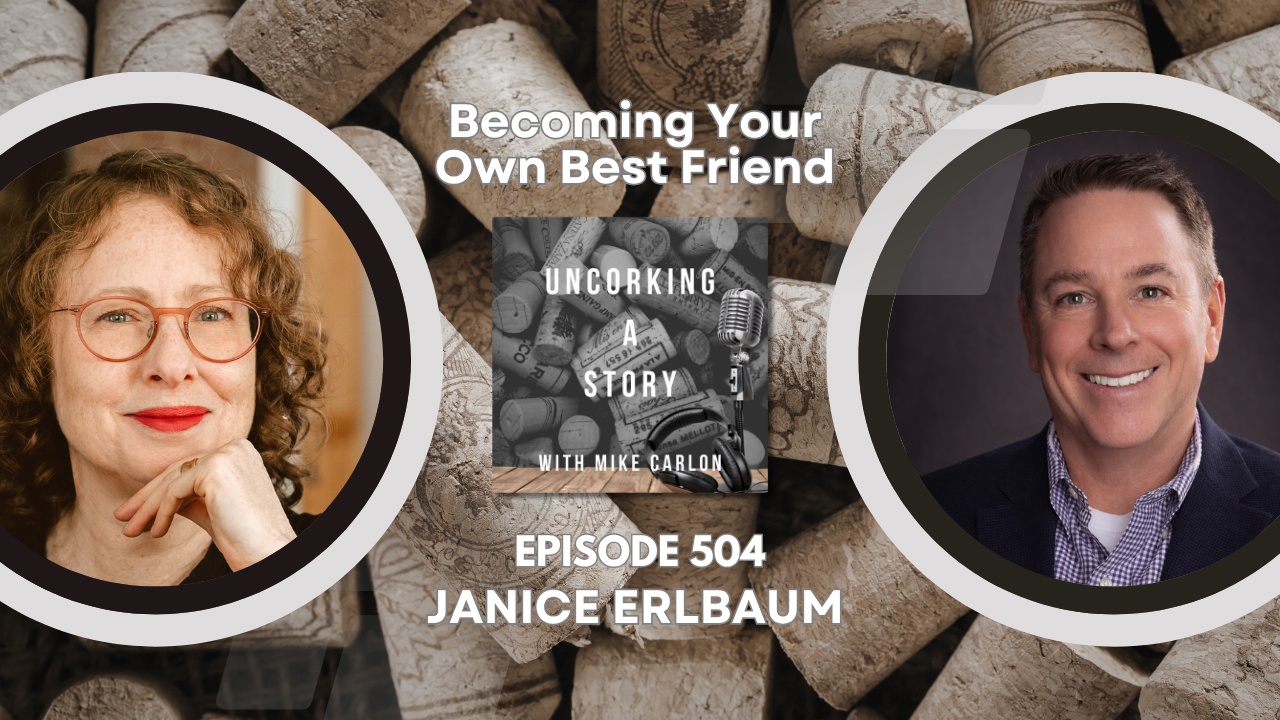
Becoming Your Own Best Friend
Janice Erlbaum left home at 15 for New York City's shelter system. Twenty years after Girlbomb, she talks about owning her part of the story, the teachers who saw her, and why she tells everyone to keep writing it down.
Listen →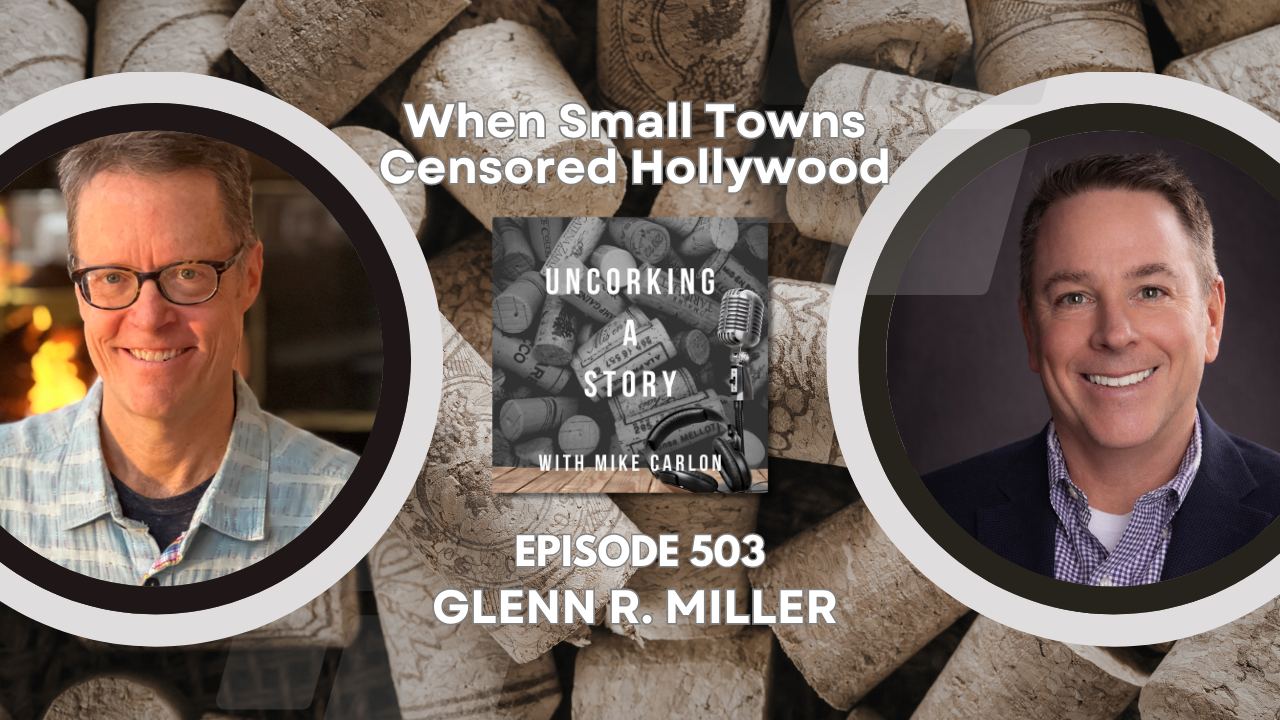
When Small Towns Censored Hollywood
Novelist Glenn R. Miller on the small-town ministers who once censored Hollywood's silent films, the family note cards that inspired his satire Rough Cuts, and why censorship is never black and white.
Listen →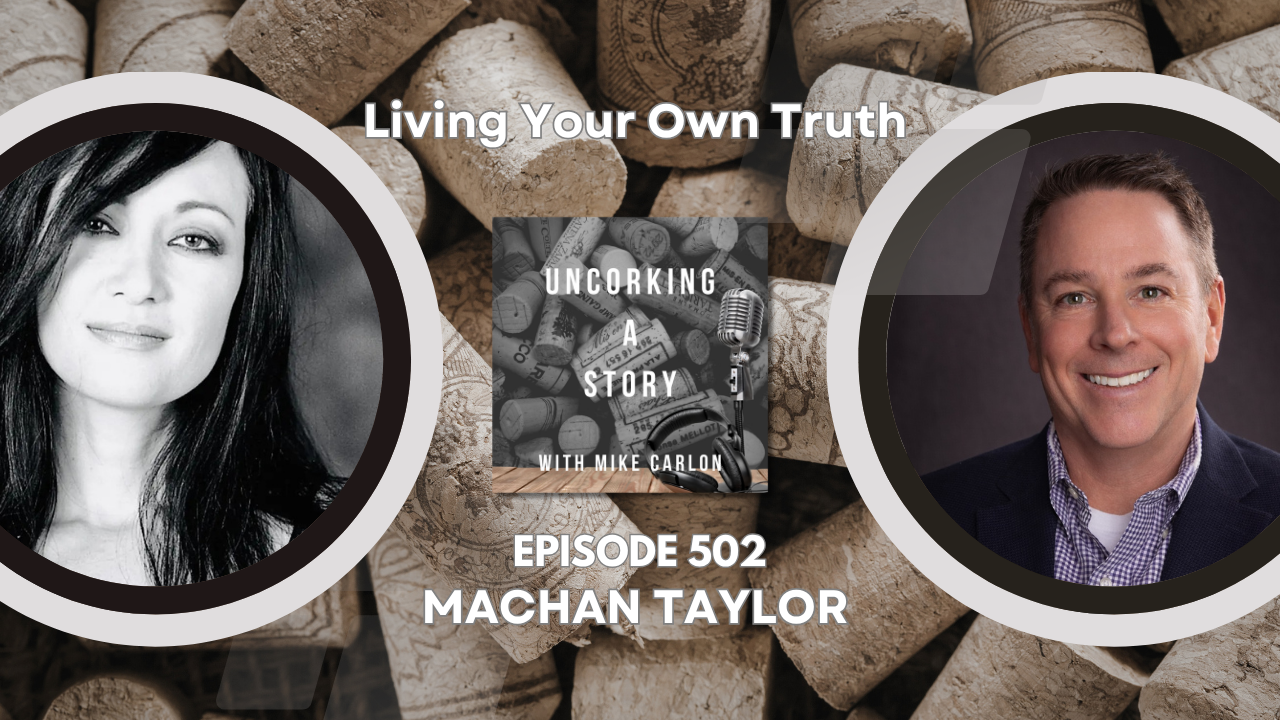
Living Your Own Truth
Singer Machan Taylor, who toured with Pink Floyd and Sting, on the loneliness behind a glamorous life on the road, writing a memoir she never meant to write, and why holding the finished book finally let her let go.
Listen →